What to check before booking a Niagara Falls helicopter tour
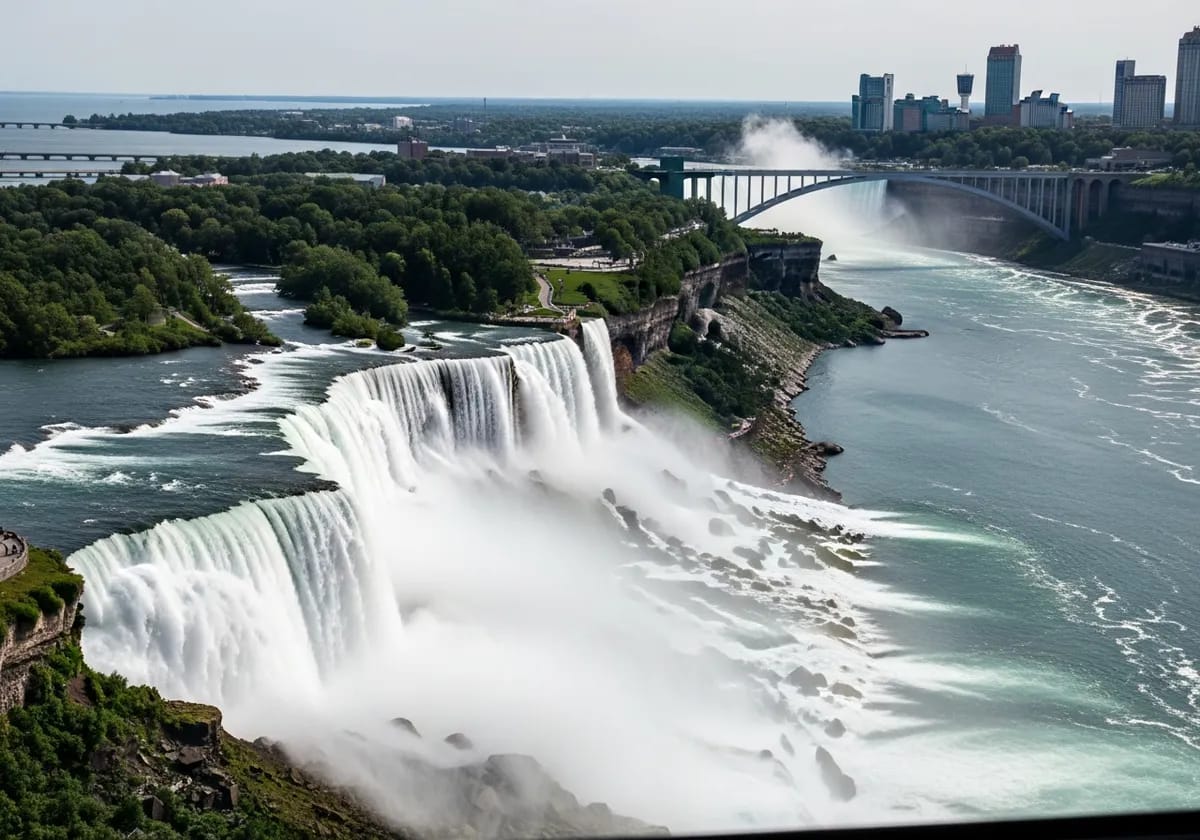
A helicopter flight over Niagara Falls is one of those rare experiences that sits in memory for years. The aerial views of the Horseshoe Falls, the American Falls, and the churning river below are genuinely spectacular. But before you hand over your booking details, it pays to look past the glossy website photos and check a few practical points. The tour you reserve should match what you actually want, and a little preparation can make the difference between a smooth outing and a disappointing one.
Flight duration and what it actually means
Listed flight times matter more than most people think. A tour described as a 12-minute flight is very different from a 20-minute one, and the difference is not just in the air. Shorter flights tend to stay close to the falls and then return, giving you a tight window for photos and a quick pass over each landmark. Longer flights often include extra route segments, such as a sweep over the Niagara Gorge or a loop around the Whirlpool, which adds variety. When you read the flight duration, ask yourself what you want to see. If your main goal is the falls themselves, a shorter flight may be enough. If you want to take in the whole landscape and have time to look around, aim for a longer one. Also check whether the advertised time includes boarding and takeoff or is strictly airborne time. A 10-minute flight that includes taxi and climb will feel shorter than one where the clock starts when you leave the ground.
Seat configuration and window access
The helicopter type directly affects your view. Some helicopters seat passengers three across, with one person in the middle and two by the windows. Others have a two-plus-two layout, where every passenger sits next to a window. If you end up in a middle seat, your view is partly blocked by the people on either side. Before you book, check whether the operator assigns seats by weight, by order of booking, or randomly. Some companies let you pay extra for a guaranteed window seat. If clear, unobstructed views matter to you, that upgrade can be worth it. Another detail is whether the helicopter has large panoramic windows or smaller porthole-style ones. Larger windows make photography easier and give a less confined feel. If you are tall, also ask about headroom and legroom in the specific model they fly. A cramped seat for 20 minutes can distract from the scenery.
Boarding procedure and weight policies
Helicopter tours have strict weight and balance limits. Most operators weigh every passenger at check-in and assign seats to keep the aircraft balanced. This means you cannot simply choose your seat. If you are near the top of the weight limit, you might be seated next to a lighter passenger or placed in a specific spot for balance. Some companies also have a maximum total weight for each flight, which can affect group bookings. If you are travelling with friends or family, check whether the operator can keep you together. Some will, others will split larger groups across different flights. Knowing this beforehand prevents surprises at the boarding area. Also confirm how early you need to arrive. Many tours require check-in 15 to 30 minutes before the flight for the safety briefing and weighing. Arriving late can mean being bumped to a later slot or losing your reservation.
Safety briefing and what it covers
Every reputable operator runs a safety briefing before takeoff. The briefing should cover how to enter and exit the helicopter, how to fasten and unfasten the seatbelt, where the emergency exits are, and what to do if the flight crew gives an instruction. You should also be told about the no-fly zones and restricted airspace over the falls, though that is more background than something you act on. Pay attention during the briefing, because the rules on helicopters differ from those on planes. For example, you may be told not to touch the door handle or window latch during flight. Some operators also pass out ear protection, either headphones or foam plugs. If you have hearing sensitivity, bring your own earplugs as a backup. A good safety briefing is short but thorough. If the crew rushes through it or skips parts, that is a red flag worth noting.
Tour route and what you actually see
Not all helicopter tours follow the same path. Some fly directly over the Horseshoe Falls and then turn back. Others cross into US airspace for a broader view, or circle the entire falls basin before heading down the gorge. The route determines which angles you see and how long you spend over each feature. A route that sticks to the Canadian side may give you a great view of the American Falls and the Bridal Veil Falls, but you might miss the full sweep from the US side. Some flights also include a pass over the Niagara River rapids and the Whirlpool, which are dramatic from above. When you book, look for a route map or description. If the operator does not provide one, call and ask. You want to know exactly what the flight covers so your expectations match the reality.
One practical point: the weather on the day can change the route. Low clouds, strong winds, or fog may force the pilot to alter the path or cancel the flight. Most operators have a weather policy that allows rescheduling or a refund if conditions are unsafe. Ask about that policy before you pay, and keep an eye on the forecast in the days leading up to your tour. A clear, calm morning gives the best visibility and the smoothest ride.
For more details on what different tour options include, you can check the information on niagarafallshelicoptertours.com. Their site lists the various flights, durations, and route descriptions so you can compare before making a decision.
Photography and personal items
Taking photos from a helicopter is different from shooting from the ground. The vibration of the rotor, the small windows, and the fast movement all affect image quality. If you plan to use a phone or a camera, check whether the operator allows loose items in the cabin. Some require all bags, phones, and cameras to be secured in a pouch or pocket during takeoff and landing. Others let you hold your device as long as it is on a wrist strap. A camera with a long lens may be too bulky to use in a tight seat. A compact point-and-shoot or a phone with a wide-angle lens often works best. Also think about glare. If the sun is behind the helicopter, the glass may reflect and wash out your shots. A polarising filter helps, but you cannot always attach one in advance. Lastly, keep your hands inside the cabin. Sticking a phone out the window is dangerous and usually prohibited.
Group size and private bookings
If you are celebrating a special occasion or just want the experience to feel personal, consider a private charter. Standard tours fill every seat, so you share the cabin with strangers. That can be fine if you are easygoing, but it also means you have less control over the seat arrangement and the pace. A private booking gives you the whole aircraft for your group, and you often get to choose the route length within reason. The cost is higher, but for some people the privacy and flexibility are worth it. Check whether the operator offers a private option and what the cancellation terms are for that type of booking.
Seasonal differences
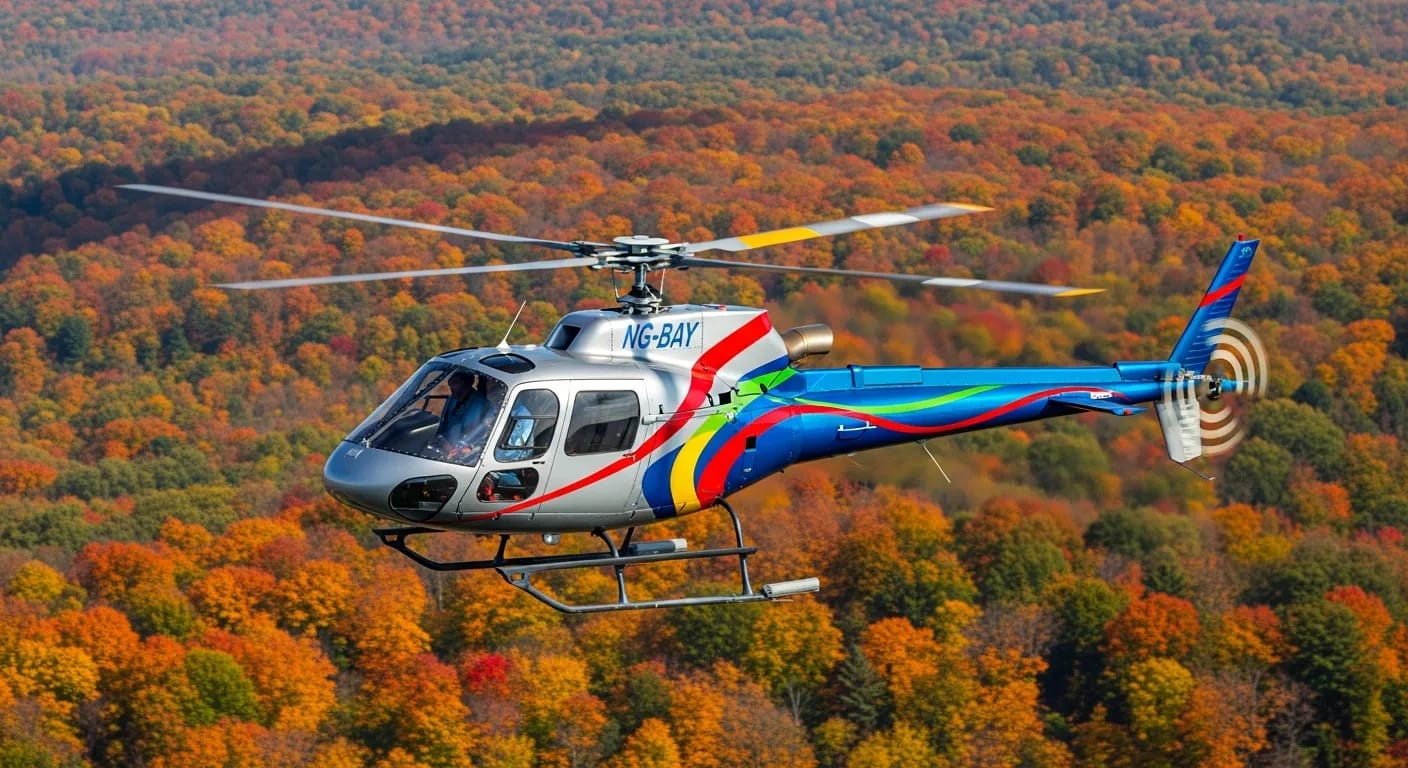
The time of year changes the experience significantly. In summer, the falls are full and the mist is heavy, which can obscure the view through the helicopter windows. In autumn, the foliage along the gorge turns bright orange and red, adding colour to the aerial landscape. Winter brings the risk of ice buildup on the helicopter and shorter daylight hours, but the scenery is stark and beautiful with frozen spray around the falls. Spring is less predictable, with melting snow increasing the water volume and sometimes causing fog. Each season has its pros and cons. Think about what kind of view appeals to you most and book accordingly. Also remember that peak summer months fill up fast; book well in advance if you want a specific time slot.
The helicopter tour industry around Niagara is well established, but not every operator offers the same quality. A little research goes a long way. Read recent reviews, check the operator's safety record, and verify their licensing with Transport Canada or the FAA depending on which side of the border they fly from. A safe, well-run tour company will be transparent about these details. If you have any doubts, ask before you pay. And when you are ready to book, the details on niagarafallshelicoptertours.com can help you make an informed choice.
Final checks before you confirm
Before you click the confirm button, run through this short mental checklist. Flight duration: does it match your expectations? Seat: can you secure a window spot? Boarding: do you know the weight policy and arrival time? Route: have you seen a map of the flight path? Weather: do you know the cancellation policy? Photography: can you bring and use your device comfortably? Group: are you happy sharing the cabin or do you want a private flight? Season: have you considered the conditions for your chosen dates? If the answers are clear, you can book with confidence and look forward to one of the most memorable ways to see the falls.